
High RTP pokies don’t guarantee wins. Players chase the headline percentage and forget the rest.
Every weekend punter asks the same question before signing up: which popular pokie games AUD top RTP actually matter when the spend is entertainment money? The answer needs more than a screenshot from a lobby. It needs a clear head and a bit of local sense. Canberra punters know the feeling well, especially when a late drive to a club in Fyshwick turns into a longer trip than expected because the regional link drops out halfway through the login screen. That distance changes how people think about return percentages. A number on a screen looks tidy until the connection stalls and the session gets interrupted.
The maths behind the percentage is straightforward, though plenty of players treat it like a promise.
Return to player describes how much of the money wagered a machine pays back over an enormous number of spins. It is a theoretical figure, not a personal guarantee for the next hour at the screen. Zoe Baker, Digital Acquisition Director, Outback Gaming Research, puts it plainly: “Players who chase the highest number without checking volatility end up chasing variance they did not sign up for.” The phrase popular pokie games AUD top RTP gets thrown around in forums, but the real question is whether a high percentage suits a social player who treats the spend like a Saturday night out. A machine returning a large share over millions of spins can still swing cold for a long stretch. That is the trade-off most people skip.
The search itself is where most weekends go sideways.
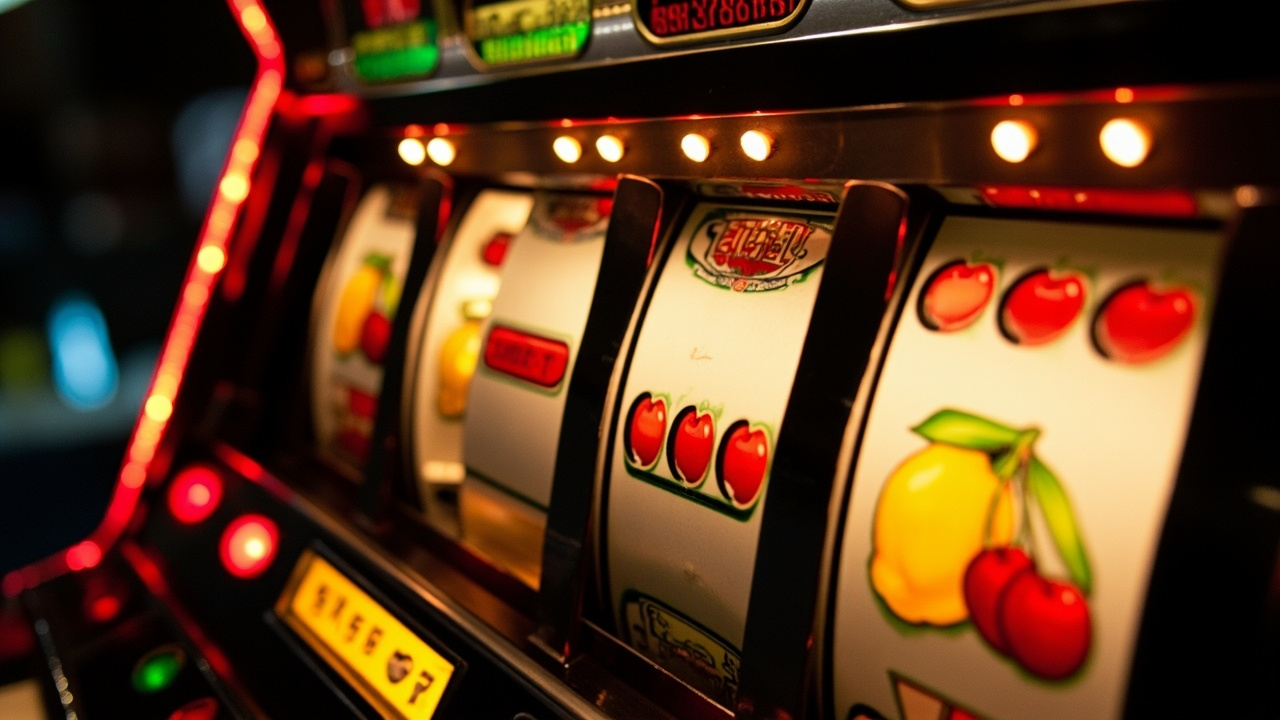
Sites rank machines by headline rates, and the list looks reassuring until the fine print gets read. A player comparing options should sort by more than one column. Volatility matters just as much as the percentage, because a high-RTP title with wild swings can burn through a budget before the theoretical return has any chance to show up. Someone logging in from a regional town near Canberra might be working with a connection that drops during peak hours, so the session has to be planned around that reality rather than the other way around. A sensible check is to set a time limit first, then pick a machine that matches the budget instead of chasing the top of the lobby list. That habit saves more money than any percentage ever will.
The numbers on the screen are only half the story.
House edges vary across pokies, and the differences are real even when the marketing looks identical. A machine advertising a strong return can still be a poor fit for a casual player who wants steady entertainment rather than a long grind. Phil Ivey won and then lost millions in court cases over edge sorting in baccarat, a reminder that advantage play gets tested in court as well as on the felt. The lesson for pokie players is less glamorous but more useful: the edge sits with the house, and the percentage is a long-run description, not a short-run shield. A player who treats the figure as a target rather than a guide usually ends up disappointed. The right move is to match the machine to the session, not the session to the machine.
Practical checks beat lobby marketing every time.
A weekend player in the capital region often weighs the trip to a venue against a home session, and the internet quality on the way into Woden or out toward Goulburn can decide which option feels worth it. Distance and connectivity change the maths of a night out, because a long drive to a physical club adds cost and fatigue that a screen at home does not. That reality matters when choosing between machines, since a session that gets interrupted by a dropped signal is a session that stops paying attention to its own limits. A player who wants to compare popular pokie games AUD top RTP should also check the connection first, then set a loss limit before the first spin. The red baron poker machine on redbaronslotau.com is one example of how a lobby can be browsed without treating the headline rate as the whole decision.
Edge sorting and dealer busts are useful reminders about what the house actually controls.
A dealer bust occurs when the dealer’s hand exceeds 21, and the point is simple: the rules decide the outcome long before the player does. Pokies do not use cards, but the same principle applies in a different form, because the program sets the odds and the player chooses the pace. Someone reading a local paper like the NT News will see plenty of headlines about big wins, and those stories rarely mention the long dry patches that sit between them. The practical takeaway is to treat any percentage as a description of a machine’s design, not a forecast for a single night. A player who checks the volatility, sets a time boundary, and accepts the house edge as a given will have a much clearer session than one who chases a number.
The last tip is the one that actually changes a weekend.
Set a loss limit before the first spin, not after the third. Pick a machine whose volatility matches the budget instead of the lobby’s top row. Treat the return percentage as background information rather than a promise, and walk away when the limit is hit. That habit keeps the spend in the entertainment zone where it belongs.