
The Allure of Gambling and Its Psychological Impact
The thrill of gambling has captivated many individuals, drawing them into the vibrant and often exhilarating atmosphere of casinos, where they might also discover a new online casino that offers unique experiences. This psychological allure often stems from a combination of excitement and the potential for substantial rewards. Gamblers seek the adrenaline rush that accompanies wagering, amplified by the intricately designed environments of casinos that stimulate all the senses. The high-energy sounds of spinning wheels and ringing bells, combined with bright lights and the palpable excitement of nearby players, create an intoxicating atmosphere that promotes impulsive behavior and prolonged engagement.
This enchantment is further complicated by the concept of “near misses.” Psychologically, when players experience outcomes that are just shy of winning, their brains may interpret these moments as encouragement to continue gambling. Such near misses can activate pleasure centers in the brain, similar to those triggered by addictive substances, reinforcing the behavior and leading players to chase that elusive win. This cycle of hope and disappointment showcases the intricate relationship between gambling and psychological stimulation, illuminating why many find it difficult to walk away.
Moreover, the community dynamics within casinos significantly impact the psychological experiences of gamblers. The social aspect of gambling—whether through engaging in conversations with fellow players or celebrating wins together—can create a sense of belonging and camaraderie that enhances one’s motivation to gamble. This environment can serve as an escape from everyday stressors, leading to prolonged gambling sessions that often blur the line between entertainment and addiction. Understanding these psychological influences is crucial for recognizing the potential risks involved in gambling.
The Role of Cognitive Biases in Gambling Decisions
Cognitive biases play a significant role in shaping gambling behavior, often leading players to make irrational choices. One common bias is the illusion of control, where gamblers mistakenly believe they can influence random outcomes, such as spinning a roulette wheel or throwing dice. This false sense of manipulation can lead to risky betting behavior and increased engagement, as players convince themselves that skill rather than luck is at play. This misconception can create a dangerous cycle of overconfidence and reckless gambling.
Confirmation bias is another crucial aspect of gambling psychology. Gamblers tend to remember their wins more vividly than their losses, focusing on successful experiences to justify ongoing participation in gambling. This selective memory perpetuates their behavior, leading them to dismiss the odds and overlook the potential consequences of their actions. As a result, many gamblers fall into the trap of believing they are “due” for a win, which encourages them to wager more frequently and at higher stakes, often without considering the long-term implications.
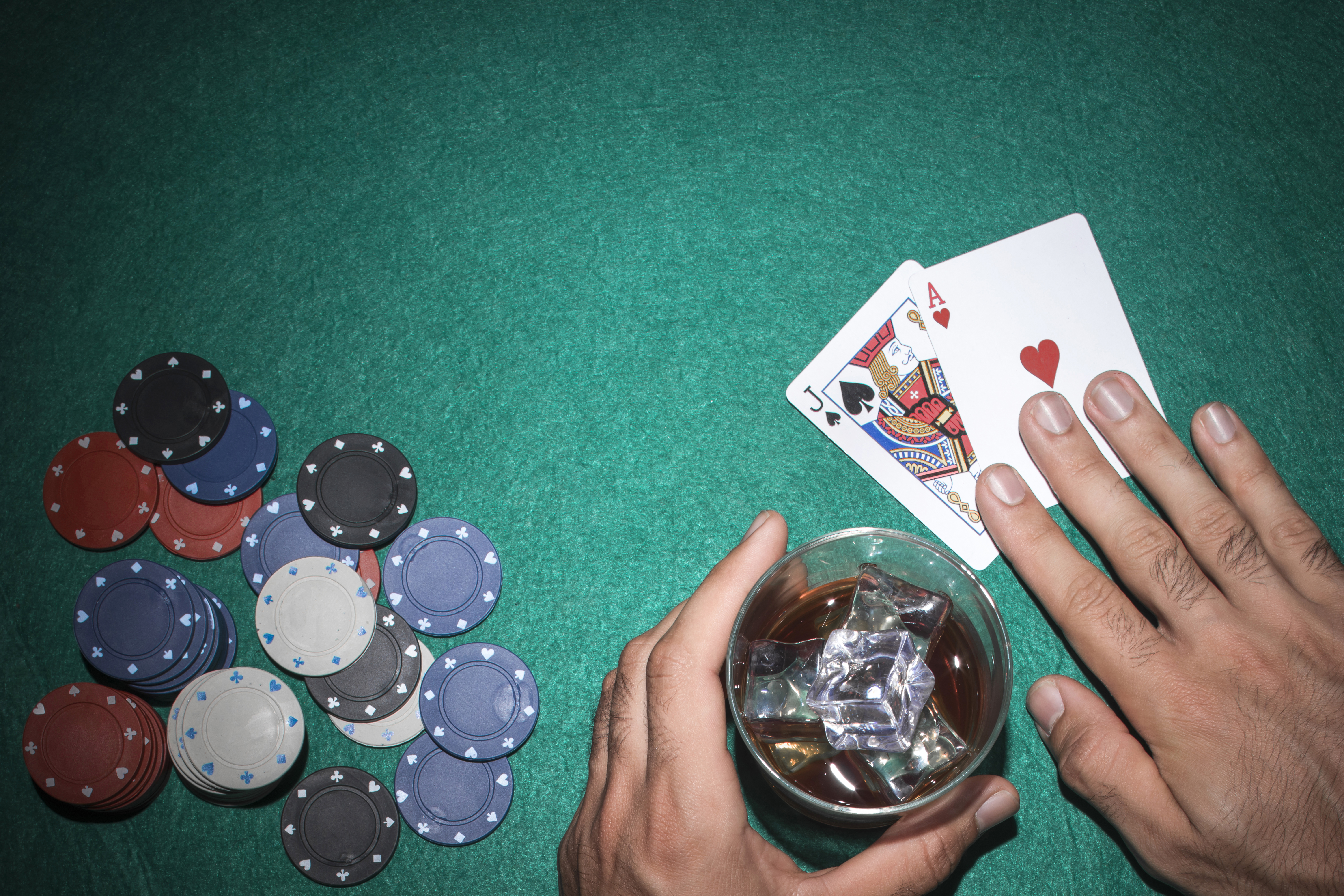
To combat these biases, awareness and education are essential. Understanding how cognitive distortions shape gambling behavior can empower individuals to make more rational decisions. Education regarding the true odds of games and the nature of randomness can help mitigate the grip of cognitive biases. By fostering greater self-awareness, players can adopt healthier gambling habits and become more responsible participants in their gambling experiences, ultimately contributing to a more balanced perspective.
The Emotional Journey of Gamblers: Wins and Losses
The emotional journey experienced by gamblers often reflects the highs and lows associated with winning and losing. After a win, players may feel a surge of euphoria, which can lead to inflated confidence and riskier betting behavior. This phenomenon, known as the “winner’s effect,” illustrates how a single success can create a psychological impetus to gamble further, often resulting in overextending oneself financially and emotionally as they chase the next win. The emotional highs of victory can overshadow the rational decision-making process, leading to impulsive choices.
Conversely, losses can trigger a wide range of emotions, from disappointment to frustration. For some individuals, the desire to recover losses can lead to a dangerous cycle of chasing losses, further deepening their involvement in gambling. This cycle is a fundamental aspect of gambling psychology, as individuals may gamble not only to regain monetary losses but also to restore a sense of control and emotional stability. The interplay between emotional highs and lows significantly shapes a gambler’s experience, often clouding judgment and leading to further engagement in gambling activities.
The impact of these emotional shifts extends beyond the gambling environment, significantly affecting players’ personal lives and relationships. Gamblers may neglect responsibilities or strain relationships due to their fixation on recovery or the thrill of the game. The psychological implications of the emotional journey in gambling underscore the importance of responsible gambling practices. Encouraging emotional awareness and providing supportive resources can help mitigate the negative effects of gambling on mental health, allowing individuals to navigate their experiences more effectively.
The Role of Environment in Shaping Gambling Behavior
The environment of a casino is meticulously crafted to enhance the gambling experience, significantly influencing player behavior. From the layout of games to the strategic placement of winning and losing machines, every aspect of the casino atmosphere can affect decisions. For example, slot machines are often placed in high-traffic areas, enticing passersby to try their luck and capitalizing on their spontaneous impulses to gamble. This strategic design exploits psychological triggers to promote increased engagement and participation.

Additionally, the absence of windows and clocks within casinos creates a disorienting environment that can lead to extended gambling sessions. Players may lose track of time and their financial limits, resulting in prolonged periods spent in a state of heightened excitement or desperation. The sensory overload intentionally embedded in casino design serves to keep players engaged while minimizing their awareness of how much time and money they are spending, creating a perfect storm for compulsive gambling behavior. This manipulation of the environment can have profound psychological effects on individuals.
Moreover, marketing strategies employed by casinos exploit psychological triggers to enhance player engagement. Promotions, loyalty programs, and complimentary incentives create a sense of value that encourages players to return. Gamblers may feel compelled to partake in special offers regardless of their financial situation, driven by the fear of missing out on potential rewards. This dynamic illustrates how the physical and promotional aspects of casinos can significantly shape gambling behaviors, emphasizing the need for awareness and mindfulness in the gambling environment.
Your Journey Towards Responsible Gambling
Understanding the psychology behind gambling can empower individuals to engage in responsible gambling practices. By recognizing emotional drives, cognitive biases, and environmental influences, players can cultivate a more mindful approach to their gambling activities. Educating oneself about the odds of games, setting personal limits, and seeking help if gambling becomes problematic are crucial steps in ensuring a healthy relationship with gambling. Resources are available to provide support and assistance to those who may be struggling with gambling-related issues.
Furthermore, many organizations offer resources and support for individuals grappling with gambling addiction. Creating a culture that emphasizes responsible gambling can lead to more enjoyable experiences without crossing the line into destructive behavior. Gamblers should prioritize self-awareness and seek assistance when needed, which can ultimately foster a safer gambling environment. Open discussions about the psychological aspects of gambling can also help to reduce stigma and promote healthier attitudes toward gambling.
In an age where gambling is more accessible than ever, cultivating an understanding of gambling psychology is essential for all players. Whether you are a casual participant or a more frequent gambler, maintaining a balanced perspective allows for a positive experience. Engaging with the gambling community responsibly ensures that the excitement of gambling can be enjoyed safely and sustainably, contributing to a healthier relationship with this popular form of entertainment. By being mindful of the psychological aspects, players can navigate their gambling experiences with greater awareness and care.